
Austrian Peptide Symposia
The Austrian Peptide Symposia series brings together leading scientists, clinicians, and industry experts from the D/A/CH region to explore the latest advances in peptide research and technology. The symposium serves as a dynamic platform for knowledge exchange, fostering interdisciplinary collaboration and showcasing innovative approaches in peptide chemistry, biology, and therapeutic development.
Further information:
- 14th AtPS - 5 December 2025
- Download the reports from the 2021, 2022, 2023 and 2024 meetings via the EPS newsletter archive.
- Download the reports from the 2011-2017 meetings.
Become a member of the EPS (free-of-charge)!
Bachem Award
The Bachem AtPS Award is presented to early career scientists (postdocs or junior group leaders) who have made outstanding contributions to the chemistry and/or biology of peptides in the three years preceding the date of selection. Candidates with a maximum of 8 years post PhD graduation are eligible for nomination. The award is particularly aimed at scientists having worked in or originating from the D/A/CH region (Germany, Austria, Switzerland). The award is sponsored by the Bachem AG.

Bachem Award Winners
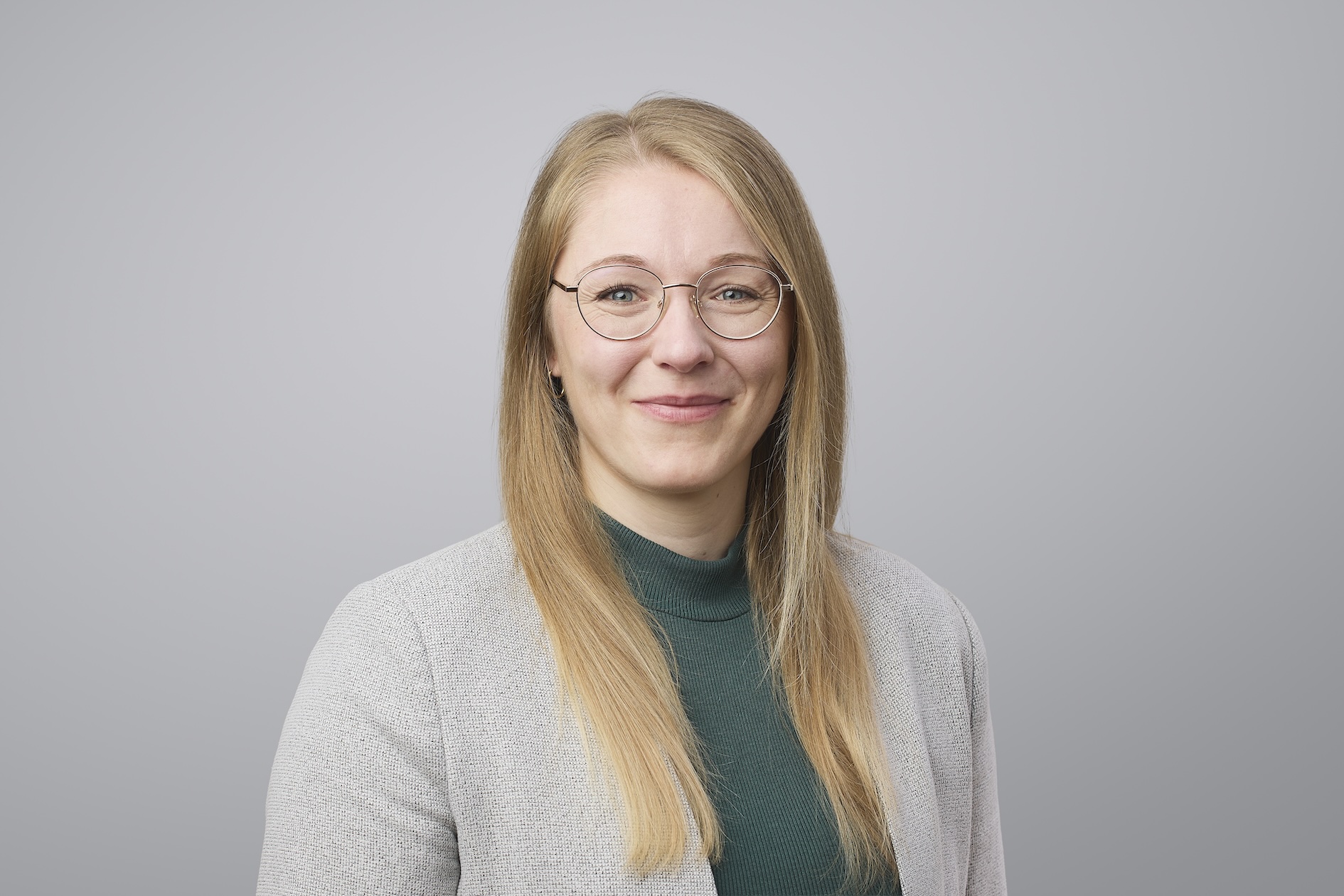
Nathalie M. Grob is an Assistant Professor for “Peptide-Based Drug Discovery” in the Department of Chemistry and Applied Biosciences at ETH Zürich. She completed her undergraduate training in Pharmaceutical Sciences and Pharmacy at the University of Basel. For her MSc Thesis, she joined the group of Prof. Ulf Göransson at Uppsala University where she investigated structure–activity relationships of cyclotides, including kalata B7. Her doctoral research was conducted at ETH Zürich under the supervision of Prof. Thomas Mindt and Prof. Roger Schibli, focusing on the design and optimization of radiolabeled peptides for for cancer diagnosis and treatment (2015–2019). She subsequently joined the laboratory of Prof. Bradley Pentelute at MIT as a postdoctoral researcher (2020–2023), where her work centered on early-stage discovery of peptide- and small-molecule-based therapeutics. Since April 2024, she is leading an interdisciplinary group at ETH Zürich that develops innovative strategies to overcome key limitations of peptide drugs at the interface of chemistry, biology, and pharmaceutical sciences.
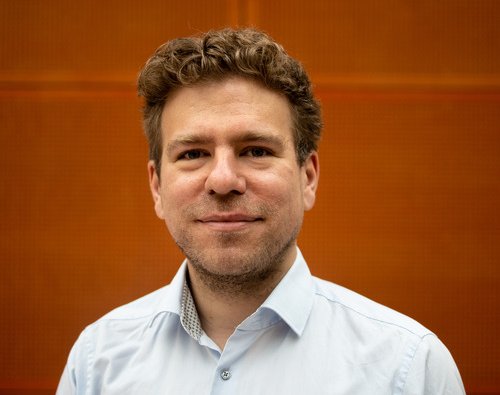
Kevin Neumann is an Assistant Professor of Chemistry at Radboud University in Nijmegen, the Netherlands. After obtaining his MSc degree in Stuttgart, Germany, in 2015, he joined the group of Prof. Mark Bradley for his PhD studies at the University of Edinburgh, Scotland. From 2018 to 2021, he worked as a postdoctoral fellow in the group of Prof. Jeffrey Bode at ETH Zurich, Switzerland, focusing on chemical protein synthesis. Since 2021, he has been an Assistant Professor in Nijmegen, leading an interdisciplinary group that works at the cross-section of organic chemistry, chemical biology, and (bio)macromolecular chemistry. His group focuses on developing new chemoselective click strategies for the precision synthesis of therapeutically active biomolecules, including proteins and cyclic peptides.
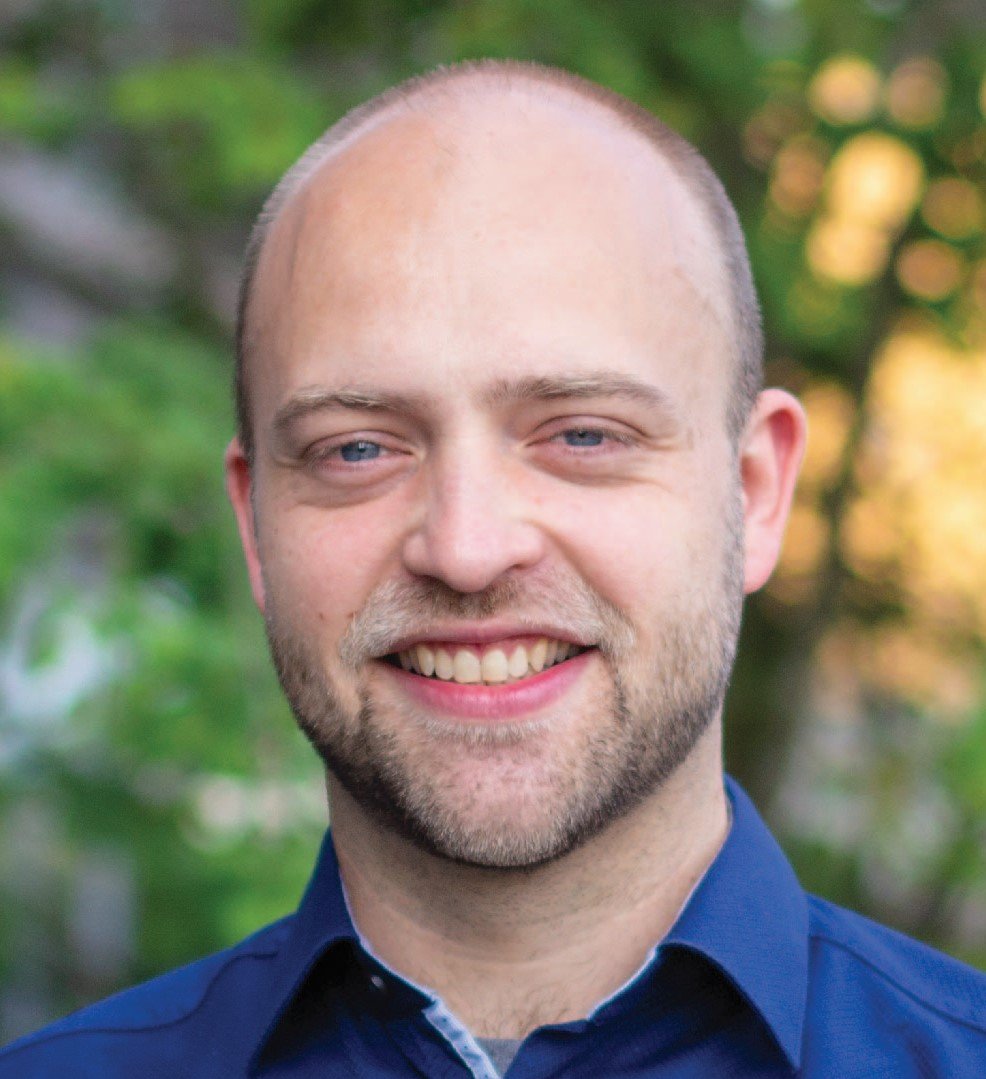
Dr. Peter ‘t Hart is a group leader at the Chemical Genomics Centre at the Max Planck Institute of Molecular Physiology in Dortmund. In his research he uses macrocyclic peptides to inhibit challenging targets such as protein-protein interaction with a current focus on protein-RNA interactions. His team uses both structure-based design as well as genetically encoded library screening techniques to identify such inhibitors and various biochemical and cellular techniques to investigate their effects. Furthermore, the group also works on developing new late-stage functionalization techniques for the introduction of unnatural amino acids during solid phase peptide synthesis as well as methods to improve peptide cell permeability. He got his bachelor's degree from the Rotterdam University of Applied Science in chemistry and his Master’s degree from Utrecht University in Pharmacy. For his PhD he stayed at Utrecht University in the Medicinal Chemistry and Chemical Biology group with prof. dr. Nathaniel Martin working the identification of antibiotic bicyclic peptides using phage display. Then he moved to the Max Planck Institute of Molecular Physiology for a postdoctoral position as a Humboldt Research Fellow in the group of prof. dr. Herbert Waldmann. Here he worked on the structure-based design of cyclic peptide inhibitors of epigenetic regulator proteins.
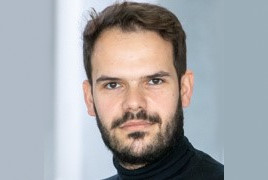
Charalampos (Babis) Pappas is a junior group leader the Cluster of Excellence Living, Adaptive and Energy-autonomous Materials Systems (livMatS) at the University of Freiburg. His group focuses on systems chemistry approaches towards the discovery of life-like peptide matter. Babis received his Bachelor’s and Master’s degree in Chemistry from the University of Ioannina. In 2016, he received his Ph.D. degree entitled ”Supramolecular Systems Chemistry using Peptides” from the University of Strathclyde in Glasgow working in the group of Prof. Rein Ulijn. After a short 6-month postdoctoral stay at the City University of New York, in 2017 he received a Marie Curie Fellowship and moved to the University of Groningen, where he worked with Prof. Sijbren Otto on dynamic folded macromolecules.
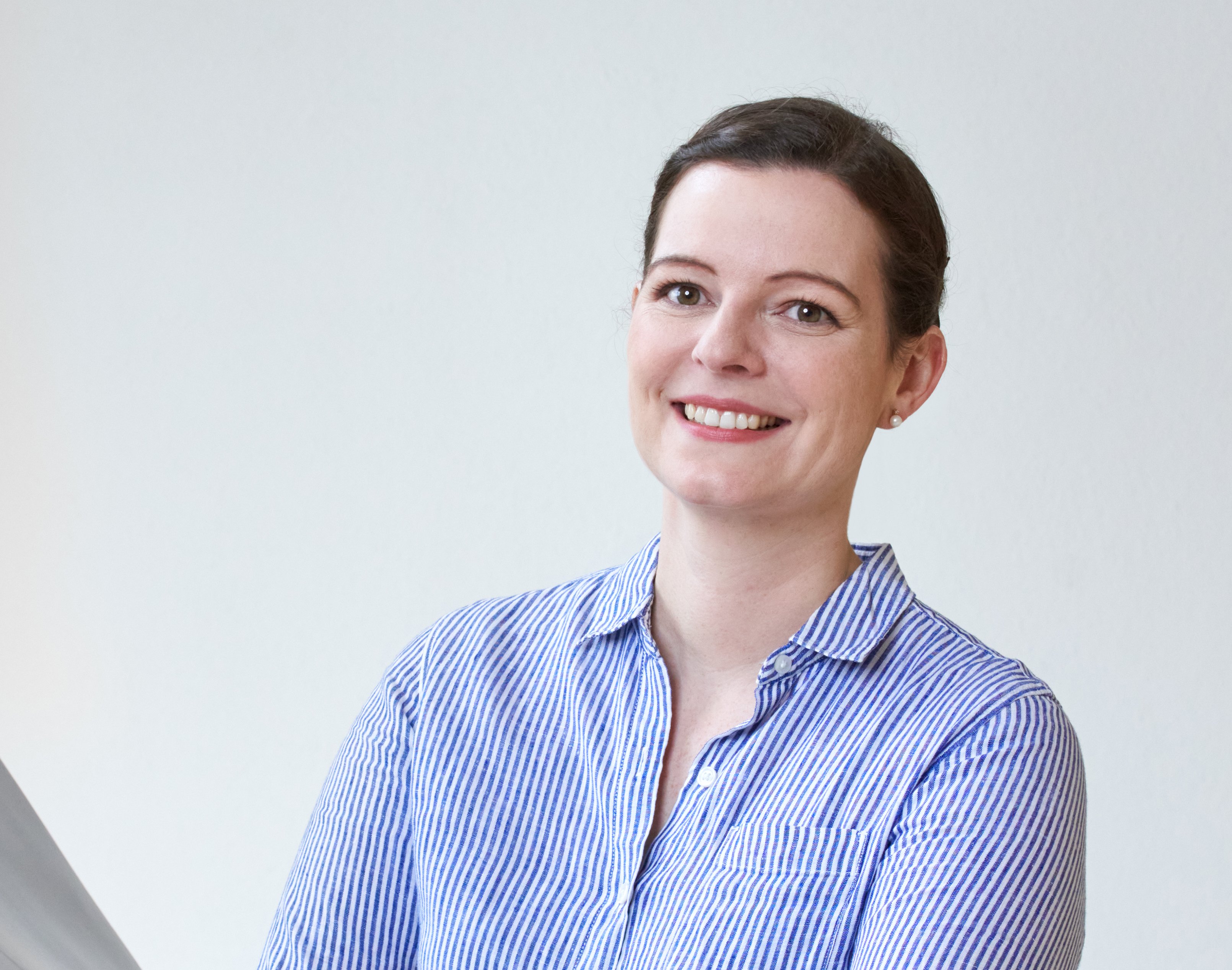
Nina Hartrampf is an Assistant Professor (tenure track) for “Next Generation Synthesis” at the University of Zurich. Her group’s current research interests are the development of new flow-based methods for peptide synthesis and modification, and their application to the investigation of post-translationally modified peptides and proteins. She received a Bachelor’s degree in Chemistry and Biochemistry as well as a Master’s degree in Chemistry from the Ludwig-Maximilians-Universität München. In 2013, she joined the group of Prof. Dr. Dirk Trauner for her graduate studies in natural product synthesis. After graduating summa cum laude in 2017, she joined the group of Prof. Bradley L. Pentelute at Massachusetts Institute of Technology. Her postdoctoral work focused on the rapid high-fidelity synthesis of peptides and proteins using automated flow chemistry.